
Storm Damage vs Wear and Tear Roof Insurance in New York Explained
## Know exactly what adjusters look for so your legitimate claim doesn't get denied.
Understanding storm damage vs wear and tear roof insurance in New York can mean the difference between a fully covered repair and a claim denial that leaves you paying out of pocket. After every major storm season in Westchester and Orange County, homeowners face the same frustrating question: will insurance actually cover this? The answer depends on what an adjuster sees when they climb your roof. Here is exactly what they look for and how you can prepare.
## Why Storm Damage vs Wear and Tear Matters for Roof Insurance in New York
New York homeowner insurance policies are designed to cover sudden, accidental damage. That includes hail, fallen branches, wind-driven rain, and ice storms. What they do not cover is gradual deterioration. Think curling shingles from years of sun exposure, moss buildup from poor ventilation, or slow leaks that went unaddressed for seasons. Adjusters are trained to tell the difference and they are very good at it. In towns like Yonkers, White Plains, and New Rochelle, roofs take a beating from nor'easters, summer thunderstorms, and freeze-thaw cycles that can crack flashing and lift shingles overnight. When that kind of sudden event causes damage, you have a legitimate claim. But if an adjuster spots signs that your roof was already deteriorating before the storm hit, your claim could be reduced or denied entirely. That is why understanding the distinction is so important before you ever pick up the phone.
## What Insurance Adjusters Look for When They Inspect Your Roof
Adjusters follow a methodical process. They are not just glancing at your roof from the driveway. They climb up, photograph everything, and compare what they see against known storm patterns in your area. Here is what they specifically examine. First, they look at the pattern of damage. Storm damage tends to affect one slope or section of a roof more than others because wind and hail come from a specific direction. Wear and tear, on the other hand, is usually spread evenly across the entire roof. Second, they check for granule loss on shingles. Hail leaves distinct circular marks and dislodges granules in concentrated spots. Normal aging causes a slow, uniform loss of granules over years. Third, they inspect flashing, gutters, and vents for impact marks versus rust or corrosion. In Pelham and Larchmont, where many homes have older architectural details, adjusters pay extra attention to these vulnerable points. Finally, they note the overall age and condition of the roof to determine what was pre-existing.

## Common Signs of Legitimate Storm Damage on New York Roofs
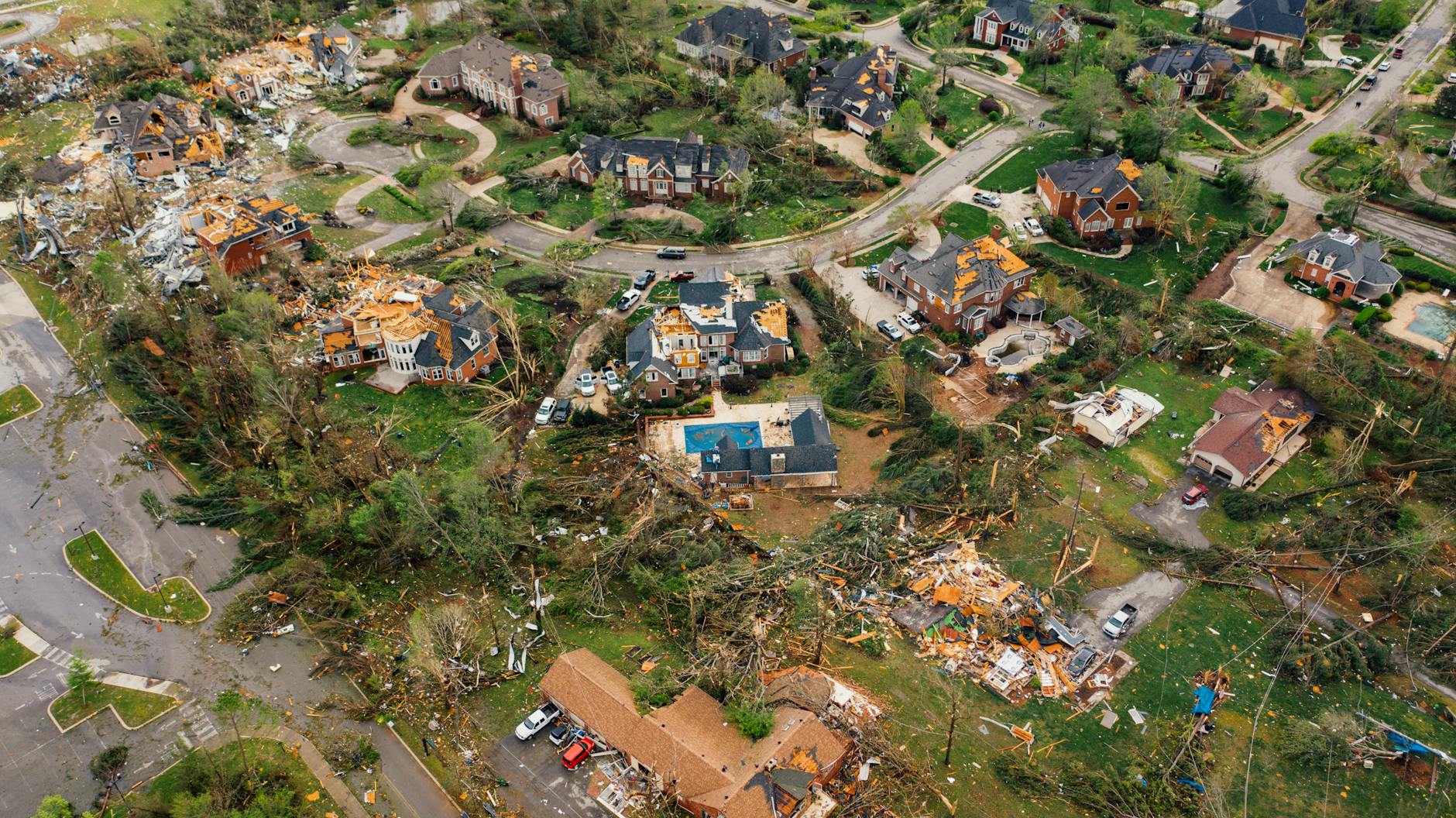
Knowing what real storm damage looks like helps you document it properly before the adjuster arrives. Wind damage often shows up as shingles that are creased, folded back, or completely missing. You may notice a clean line where shingles were peeled away by a strong gust. This is very different from shingles that slowly curled over time from heat and moisture. Hail damage creates soft spots on shingles that feel like a bruised apple when you press on them. You may also see dents on metal vents, gutters, and downspouts. In areas like Ossining and Mount Vernon, summer storms can drop large hail that leaves unmistakable marks. Ice dam damage, common during Westchester and Orange County winters, often causes water intrusion at the eaves. You might see water stains on interior ceilings or walls. The key is that the damage can be tied to a specific weather event and a specific date. That connection is what makes a claim valid.
## How to Protect Your Claim Before the Adjuster Arrives
Preparation is everything. Start by documenting the damage as soon as it is safe to do so. Take clear photos from the ground and, if possible, from a ladder. Photograph your gutters, siding, and any debris in the yard. This creates a timeline that supports your claim. Next, check local weather records. The National Weather Service logs storm data by county, and you can pull reports showing wind speeds, hail size, and rainfall totals for your exact area on the date damage occurred. This evidence is incredibly persuasive. Keep records of any previous roof maintenance or inspections. If you had a professional inspect your roof six months before the storm and it was in good shape, that report becomes powerful proof that the damage is new. Avoid making permanent repairs before the adjuster visits. You can tarp a leak or board up an opening to prevent further damage, and your policy typically requires that. But do not replace shingles or patch sections until the inspection is complete. You want the adjuster to see exactly what the storm did.
## When Storm Damage and Wear and Tear Overlap on Your Roof
Here is where things get complicated. Most roofs in Westchester and Orange County are not brand new. They have some age on them. An adjuster might acknowledge that a storm caused damage but argue that the roof was already near the end of its life. In these cases, insurance may apply depreciation, meaning they reduce your payout based on the roof's age and condition. This is common with actual cash value policies. If you have a replacement cost policy, you are in a better position, but the adjuster will still note pre-existing issues. For example, if a storm blew off shingles in White Plains but the adjuster also finds years of moss growth and clogged gutters, they may attribute part of the damage to neglect. The lesson is simple. Regular maintenance protects your roof and your claim. A well-maintained roof makes it much harder for an adjuster to blame wear and tear when a legitimate storm causes damage. Keep up with inspections, clean your gutters, and address small repairs promptly. Future you will be grateful.
## Frequently Asked Questions
Q: How can I tell if my roof damage is from a storm or normal wear and tear?
A: Storm damage is usually sudden and localized, affecting one slope or specific area. Look for creased shingles, impact marks on metal components, and debris. Wear and tear appears gradually and evenly across the entire roof, with curling, cracking, or uniform granule loss.
Q: Will my New York homeowner insurance cover an old roof after a storm?
A: It depends on your policy type and the roof's condition. Replacement cost policies generally offer better coverage, but adjusters may apply depreciation based on age. Documenting regular maintenance strengthens your claim significantly.
Q: Should I file a roof insurance claim for minor storm damage?
A: Consider your deductible first. If the repair cost is close to or below your deductible, filing may not be worthwhile and could affect future premiums. For significant damage, filing promptly and documenting everything gives you the best chance of a fair payout.
Q: Can an insurance company deny my storm damage claim in New York?
A: Yes. If the adjuster determines the damage is primarily from wear and tear, deferred maintenance, or a pre-existing condition, the claim can be denied. Having before-and-after photos and maintenance records is your best defense against an unfair denial.
## Ready to Get Started?
If a recent storm left you wondering about your roof, do not wait for the next one. Brightside Roofing & Siding offers free storm damage inspections for homeowners across Westchester and Orange County. We document everything clearly so you have what you need when you talk to your insurance company. Call us today or request your inspection online. We will be there on time, every time.