Is Your Roof Winter-Ready? 5 Signs You Shouldn’t Ignore Before the First Snow
Winter Is Coming — Here’s How to Protect Your Home
Winter weather in Westchester County can be unpredictable—snowstorms, freezing rain, coastal moisture, and sudden temperature drops. As a local roofer serving Westchester County, we see the same pattern every year: homeowners overlook early warning signs in the fall, and once the first snow hits, small roofing issues become costly winter emergencies.
Your roof, siding, and gutters are your home’s first line of defense, especially in our region. If you want your home to stay protected this winter, here are the signs your roof may not be ready for the season.
1. Missing or Damaged Shingles
Shingles that are cracked, curling, loose, or missing completely are a major red flag—especially with the heavy snowfall we get in this region. Damaged shingles allow moisture to seep underneath, leading to leaks once melting snow settles on your roof.
A quick local roofing inspection can confirm whether repairs are needed before the cold sets in.
2. Sagging Areas or Visible Soft Spots
If any part of your roofline looks uneven or dipped, you may have moisture damage beneath the surface. Snow is heavy—especially the wet, coastal snow common in the lower Hudson Valley. A weakened roof deck can worsen quickly under winter pressure.
An inspection now helps prevent mid-winter structural problems.
3. Leaks or Water Stains Inside the Home
Seeing water stains on ceilings or walls is a sign your roof is already compromised. This is especially common in older neighborhoods where leaves and debris collect faster.
Before snowfall hides the problem, have a roofer check the attic, flashing, and roof surface to locate the source of the leak.
4. Clogged or Damaged Gutters
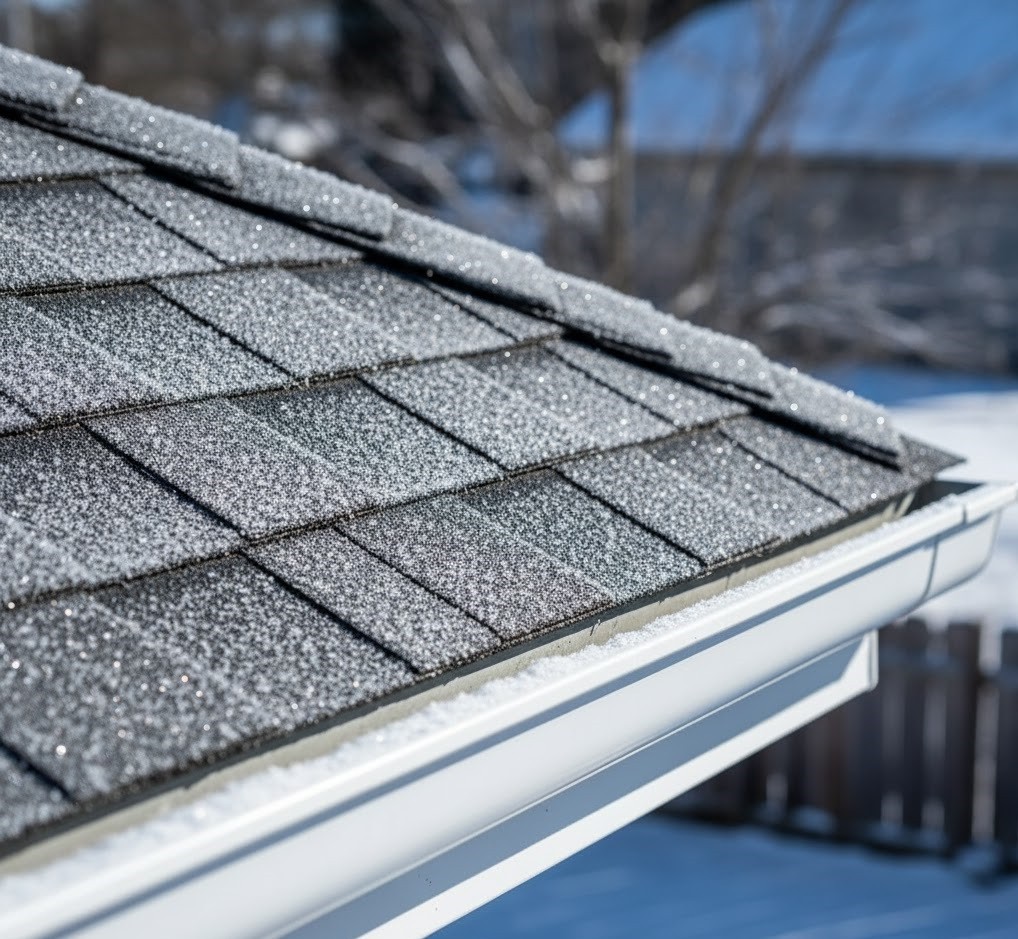
Gutters play a crucial role in winter roof protection. When they’re clogged with leaves or sagging from previous storms, water can’t drain properly. This leads to ice dams—one of the most common winter issues for homeowners in the tri-state area.
Cleaning your gutters or adding guards helps prevent leaks, mold, and siding damage.
5. Your Roof Is 20+ Years Old
Many homes in this region—from historic houses to newly remodeled properties—still have aging roofs. Older materials are more vulnerable to freezing temperatures, storms, and snow buildup.
A professional evaluation can determine whether you need repairs or a full replacement before winter makes things worse.